


Greetings everyone!
We are now underway on the very serious part of our expedition. Yesterday (August 13) Roberta and I flew into Nome to rejoin our boat, North Star.
We now are beginning the approximately 4,600 mile trek across the top of the world through the Northwest Passage. As I type this, we have departed Nome and have just crossed the Arctic Circle.
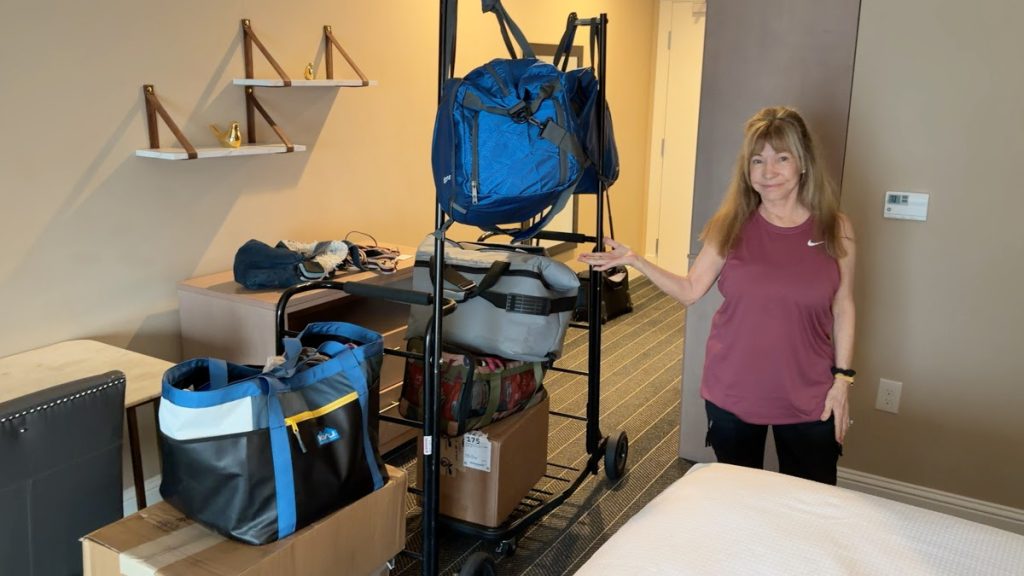 Checking into a hotel room with two cart loads of baggage. Our clothes are already on the boat. Most of this is various “things” we are bringing back to the boat (spare parts, etc)
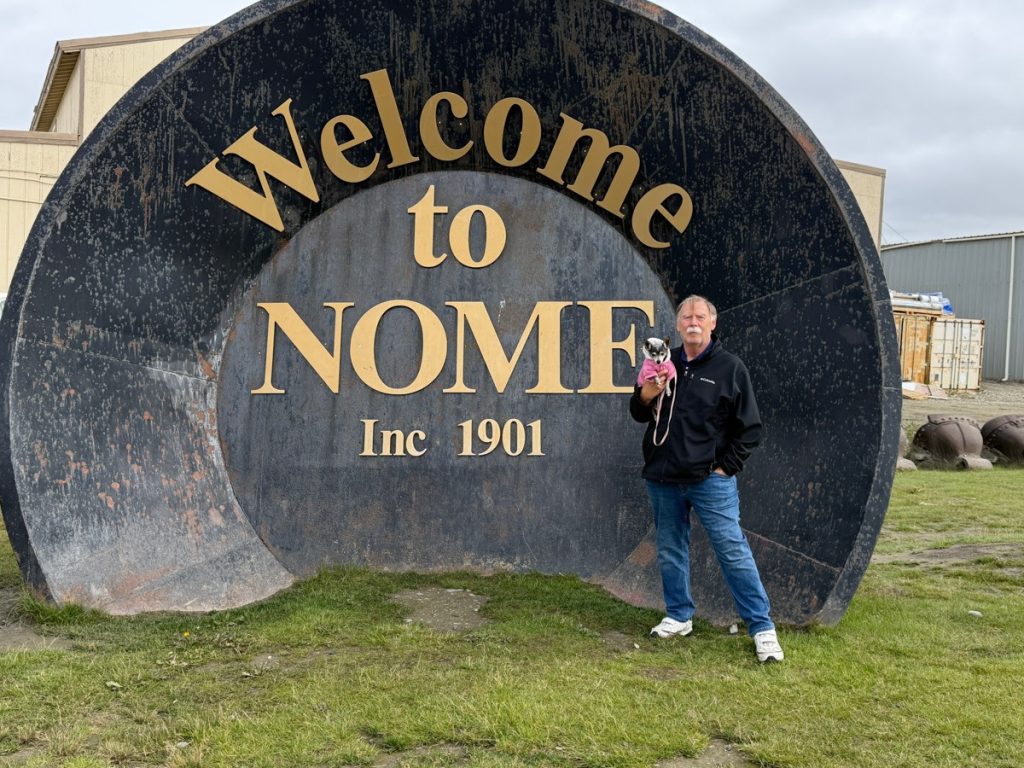
Ken and Keeley in Nome. Keeley may not get to pee on real grass again for a month. She doesn’t know that yet.
The Nome Gold Rush was one of those wonderfully crazy moments in history where word got out that there was gold in Alaska — and suddenly everybody with a shovel, a dream, and apparently very little common sense headed north. Beginning around 1899, thousands of prospectors poured into Nome. What made this gold rush especially unusual was that you didn’t necessarily need to disappear into the mountains or spend years digging a mine. In some places, the gold was literally mixed into the sand on the beach. You could walk down to the water, scoop up some sand, and potentially find gold in it. Needless to say, word traveled fast.
For a while, Nome became the biggest town in Alaska, despite the minor inconvenience that it didn’t actually have a harbor. Ships anchored offshore and people, supplies, equipment, and presumably plenty of whiskey somehow made their way onto the beach. The boom lasted roughly a decade. It’s hard to imagine the place packed with thousands of fortune hunters, but the old dredges, abandoned machinery, and assorted bits of mining equipment scattered everywhere are constant reminders that this was once one of the wildest boomtowns in America.
 Roberta, making friends with one of the local miners
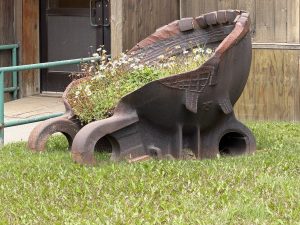
On a dredge, dozens of buckets like this were connected into a continuous chain, almost like an enormous chainsaw. They traveled down a long ladder at the front of the dredge, bit into the gravel, scooped up several cubic feet at a time, and carried the material aboard, where it was washed through screens and sluices to recover the gold. Some Alaskan dredges used buckets holding well over 10 cubic feet each.
That explains the strange shape: the wide open top is the scoop, the heavy reinforced edge took the abuse of digging through frozen/gravelly ground, and those huge openings/structures underneath are where the bucket attached into the chain mechanism.
Nome is particularly full of this stuff because enormous bucket-line dredges operated all around the area for decades, and several whole dredges are still sitting outside town.
All over Nome is 100-year-old-ish gold-mining machinery being used as civic decoration. Very Nome.
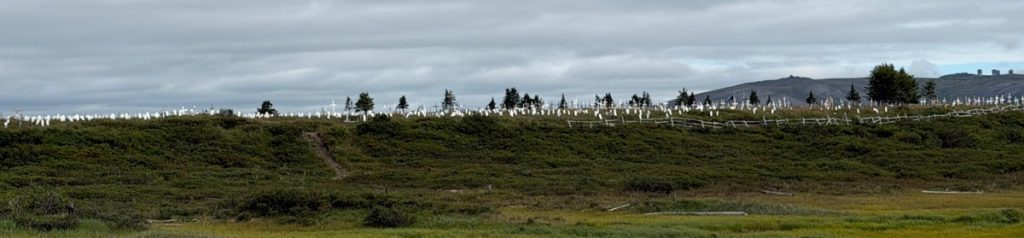 I am not great at History, so I did some searching on the internet and found this description of the cemetery visible from the port:
Nome’s cemetery feels exactly like you’d expect a cemetery at the edge of the Bering Sea to feel: windswept, slightly crooked, and full of stories. Some of the people buried here came north during the Nome gold rush, chasing fortunes that never materialized. Others were Alaska Native residents, soldiers, merchants, miners and assorted characters who simply ended up staying in Nome forever. In the early days, even burying someone was an ordeal—the frozen ground could be so hard that digging a grave became an all-day job.
It doesn’t feel polished or manicured. Weathered wooden crosses lean into the wind, old markers are fading away, and some graves were lost so completely that Nome eventually used ground-penetrating radar to find them again. It’s a wonderfully Nome sort of place: rough around the edges, full of history, and populated by people who came to one of the most remote corners of America and, one way or another, never left.
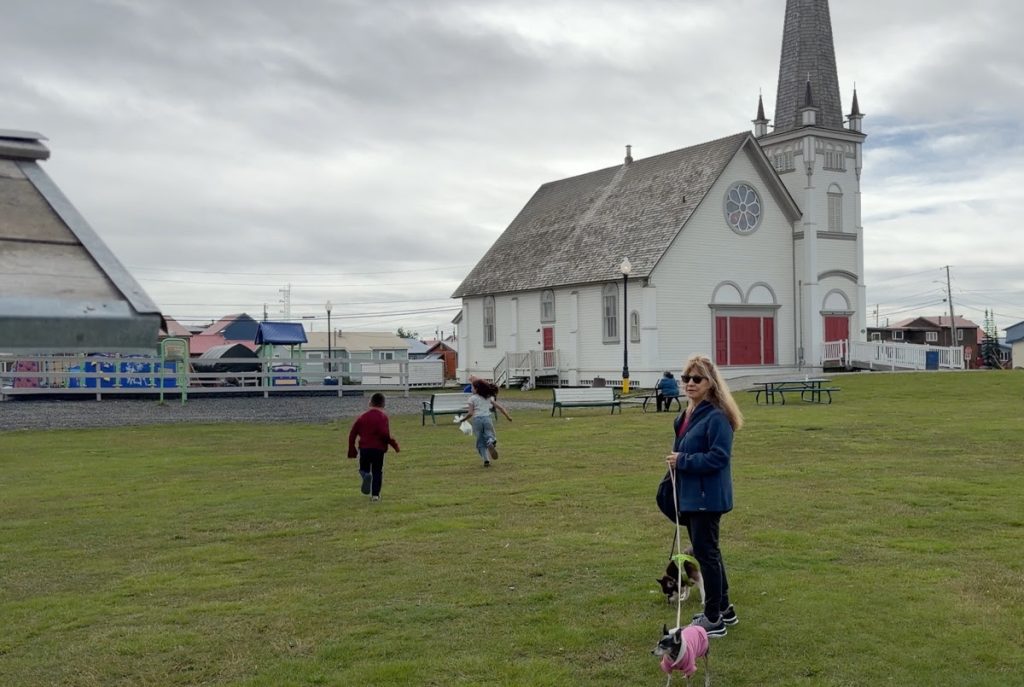 Roberta, Pixie and Keeley
The old church was built in 1901, to serve the local 12,000 residents. It was originally known as Old Joe’s.The local population is now only 4,000 and the old church is currently a community center for the local residents.
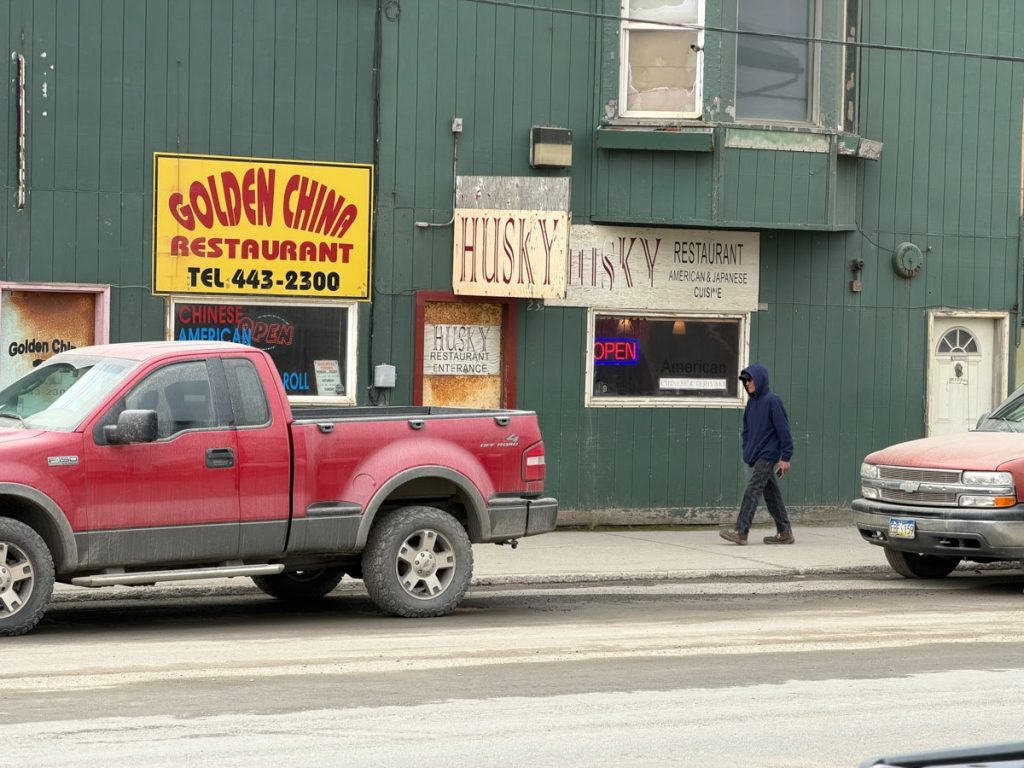 Checking out the fine dining options in Nome
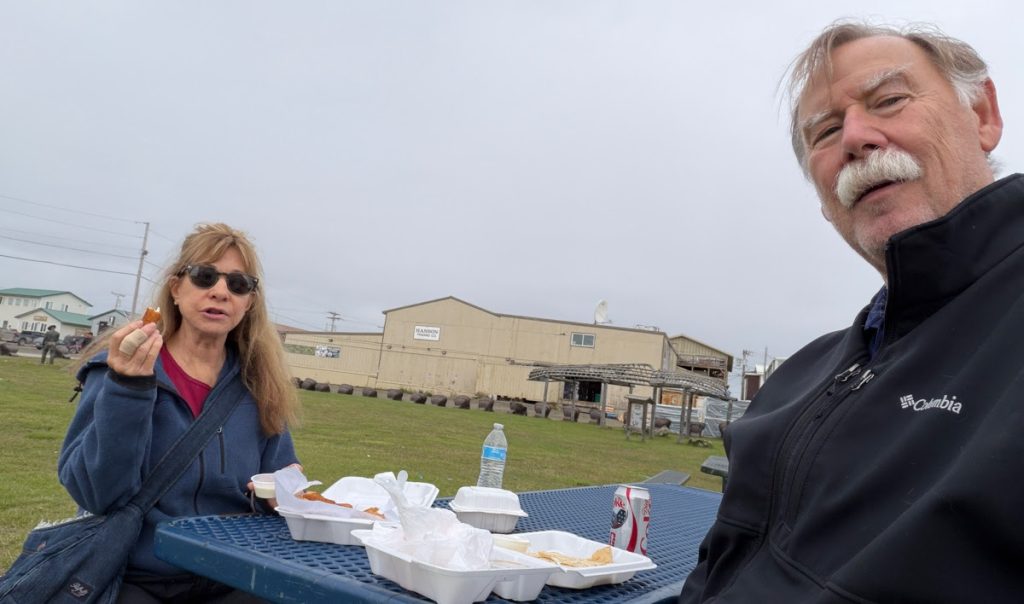 Roberta and Ken testing the local culinary offerings in order to decide if we want dinner in town or on the boat. The boat won.
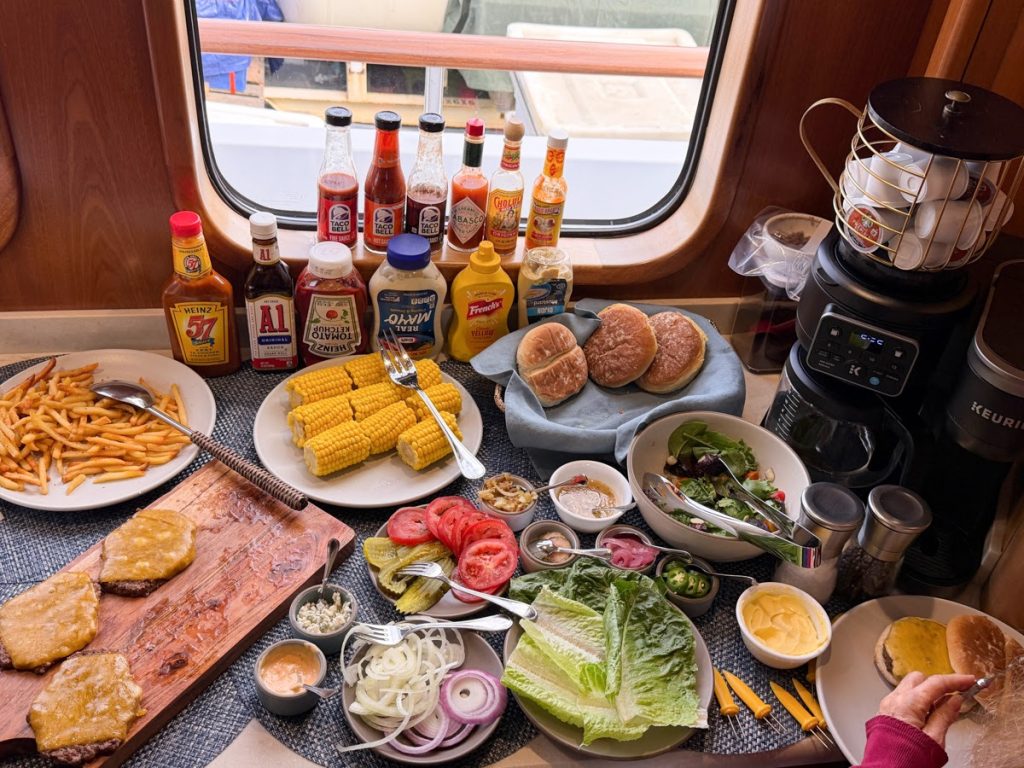
We have eight people currently on North Star. Because we are running 24 hours a day, and because we are taking turns driving, meals are not regular. Instead, Chef Dani is setting out a buffet, and we grab food from it as we can. Tonight was hamburgers!
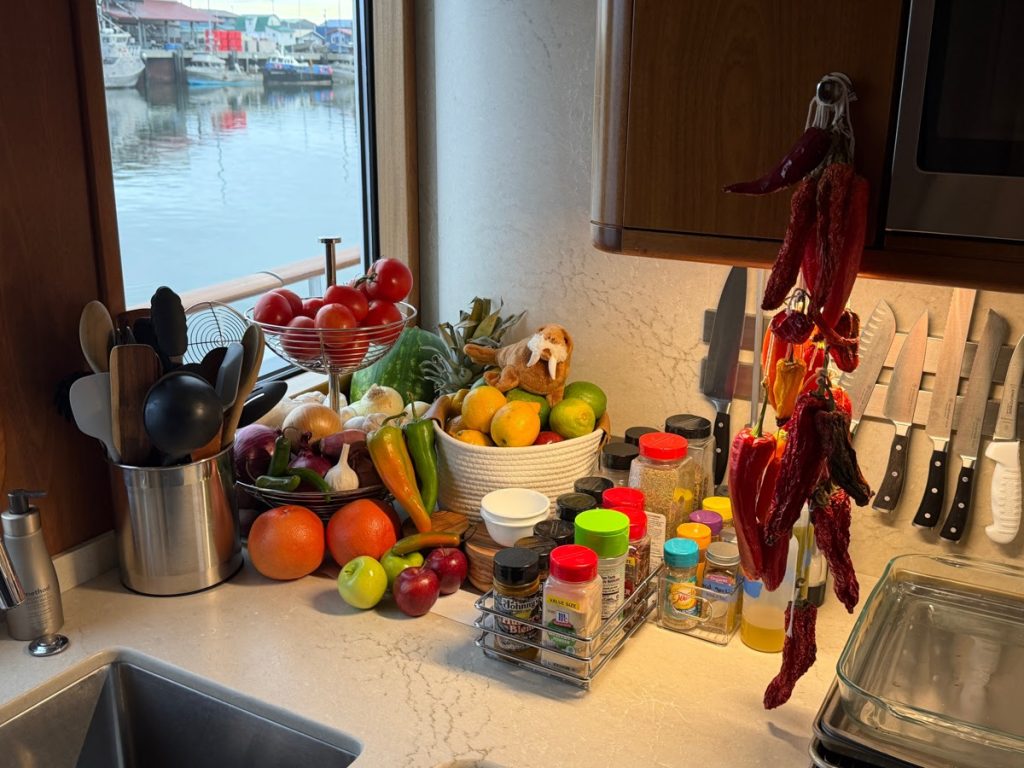
Veggies in the galley. They won’t last long. By a week from now they’ll be gone and it will be weeks before we have more fresh veggies or fruit aboard.
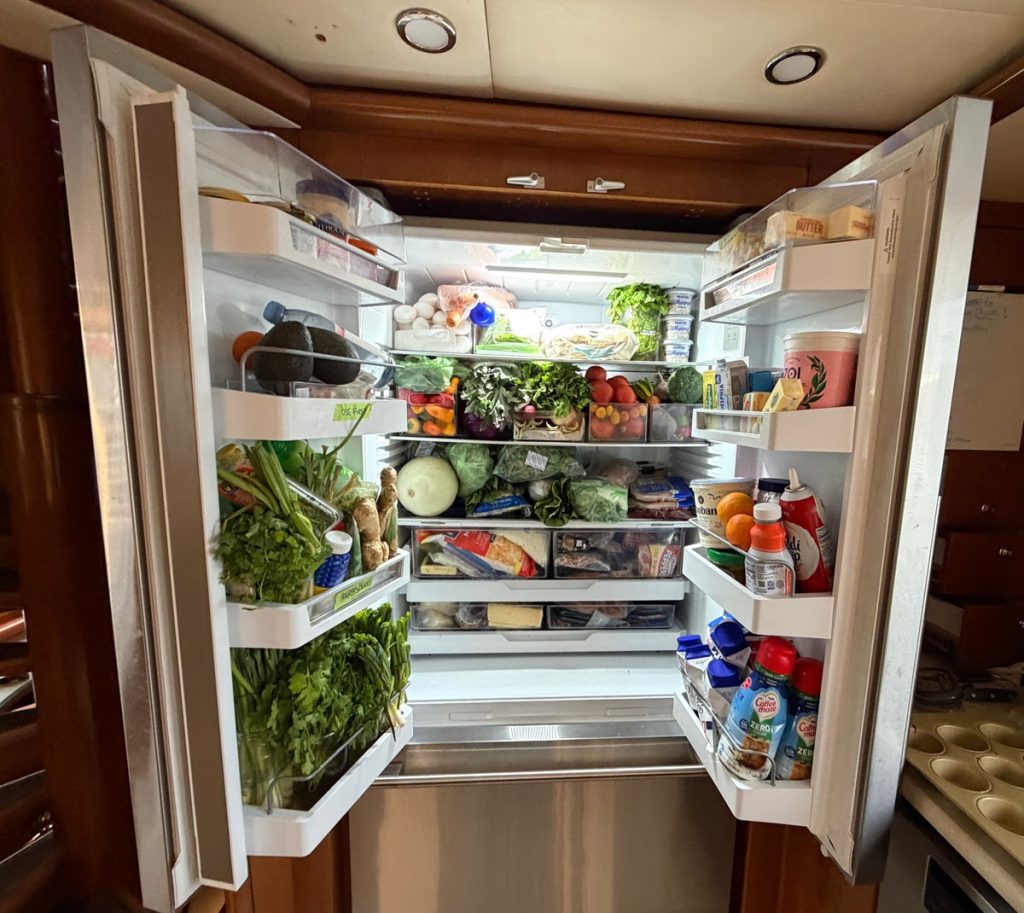
The main refrigerator in the galley. Food is stuffed in tightly
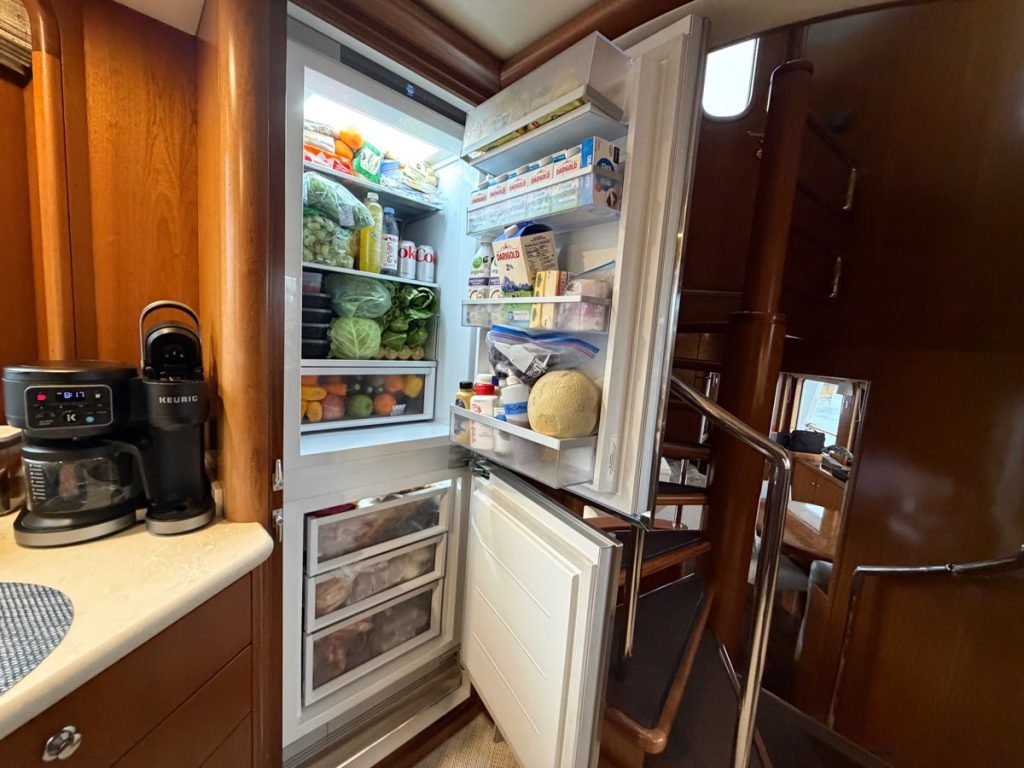
This is the second refrigerator/freezer in the galley. We have several refrigerators around the boat including a freezer in the lazarette, a refrigerator/freezer in the crew quarters, refrigerator drawers in the cockpit and more! All are crammed with food.
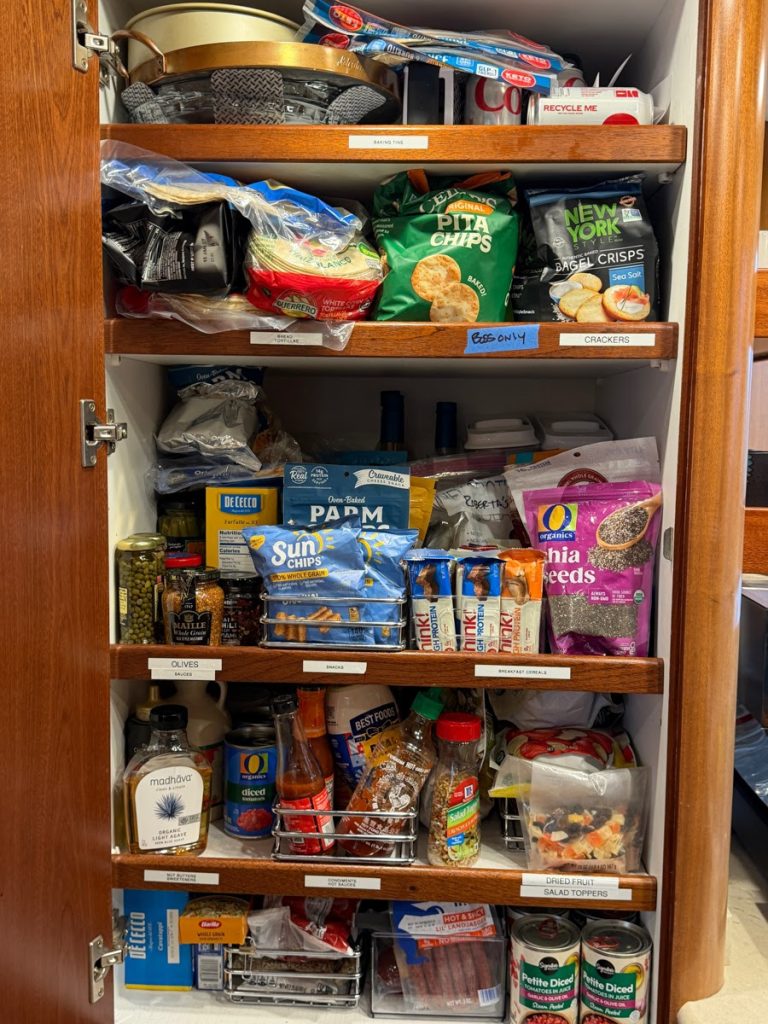
Chef Dani’s challenge – eight adults to feed, and six weeks to the next grocery store.
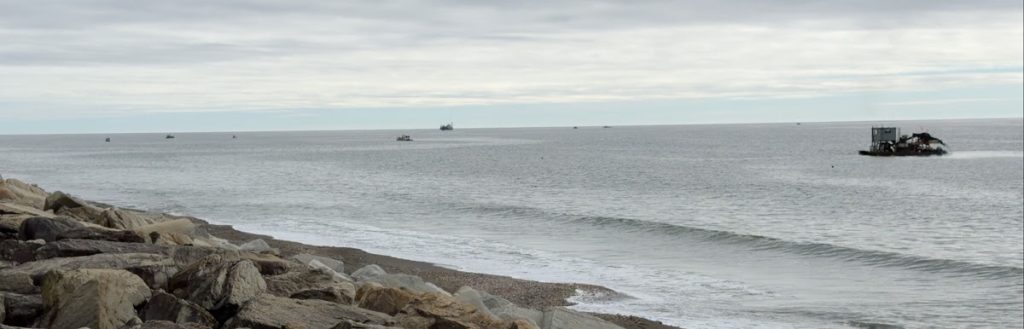
GOLD RUSH V2.0: Each of these boats is a gold miner hard at work. With gold prices at astonishing levels (around $4,400/oz as I type this) the quest for gold is very active.
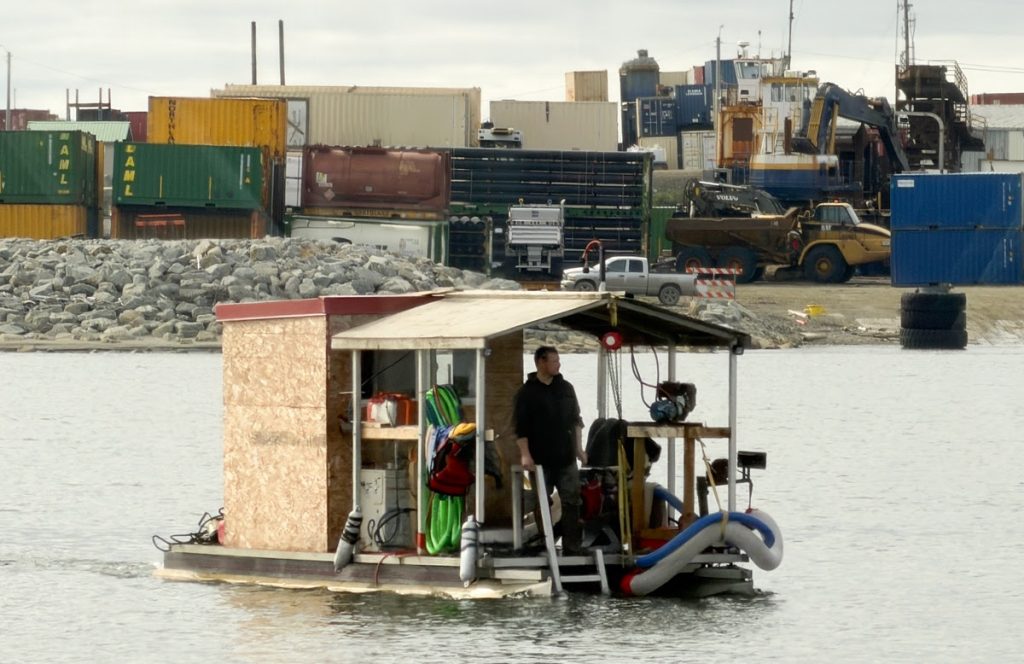
The gold mining boats are optimized for functionality, not beauty
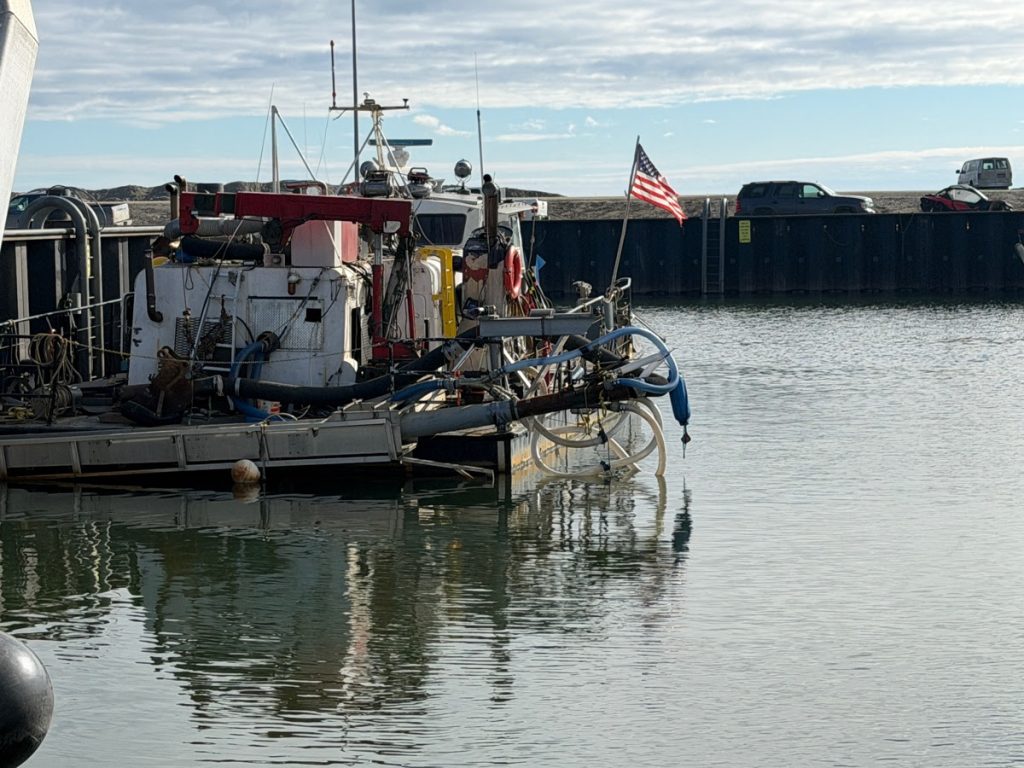
I’m not sure I understand all of the equipment and what it does…
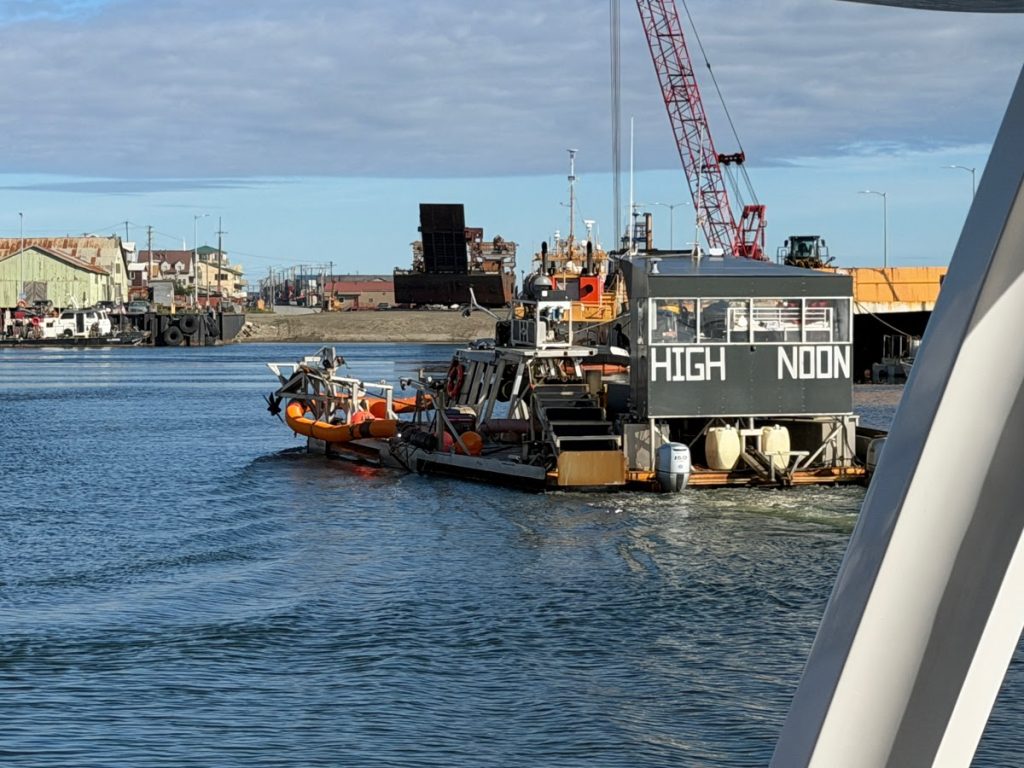
The focus in most Alaskan harbors is on fishing. Not in Nome. Most of the boats I saw were outfitted for gold mining (at least to my untrained eye)
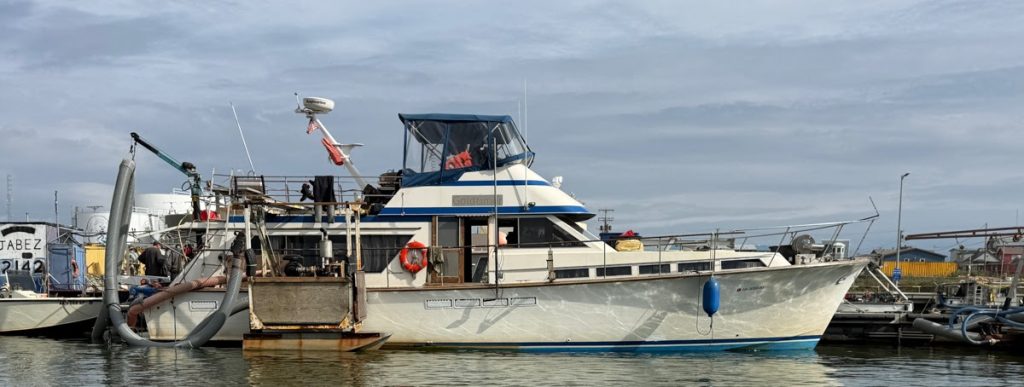
A lot of unusual boats in Nome!
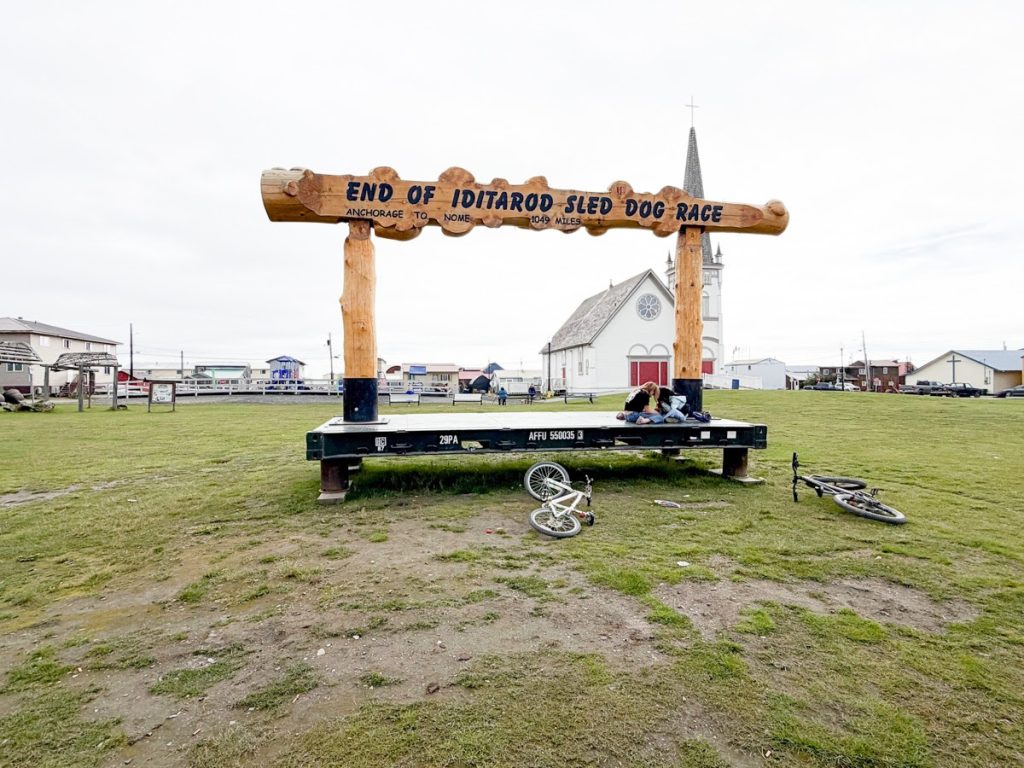
The Iditarod Trail Sled Dog Race, more commonly known as The Iditarod (/aɪˈdɪtərɒd/), is an annual long-distance sled dog race held in Alaska in early March. It travels from Anchorage to Nome. Mushers and a team of between 12 and 16 dogs, of which at least 5 must be on the towline at the finish line, and cover the distance in 8–15 days or more.
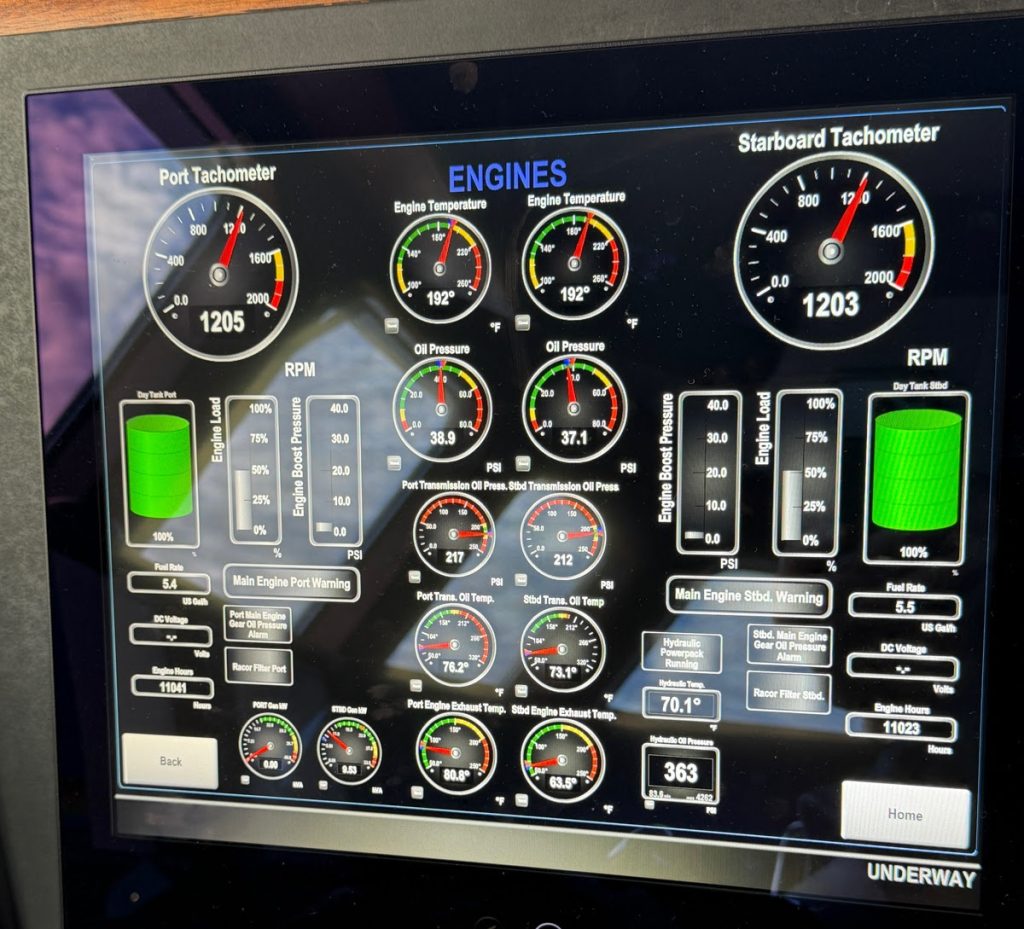
We constantly look at Maretron while driving. That said, we don’t really need to look at it (even though I’m compulsive and often do). If Maretron thinks there’s something I should know it sounds an alarm.
One very interesting thing to note on this page is our fuel consumption. Each of our engines is averaging around 5.4 gallons per hour, and we are moving at 10kts. This boat is VERY efficient. At this speed we have around 5,000nm of range. That said, we are hoping to get fuel about halfway across the top of the world and not test our range,,,
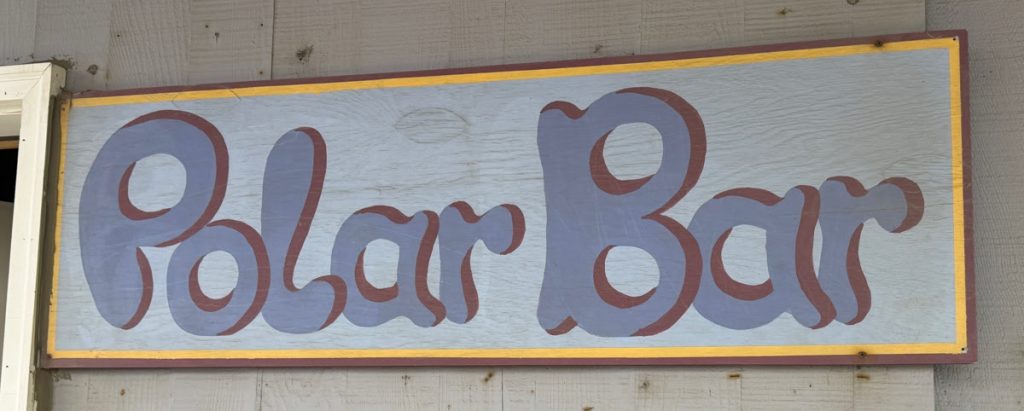
Cute name for a bar. There’s not a lot of entertainment in Nome. I noticed a number of saloons while walking around
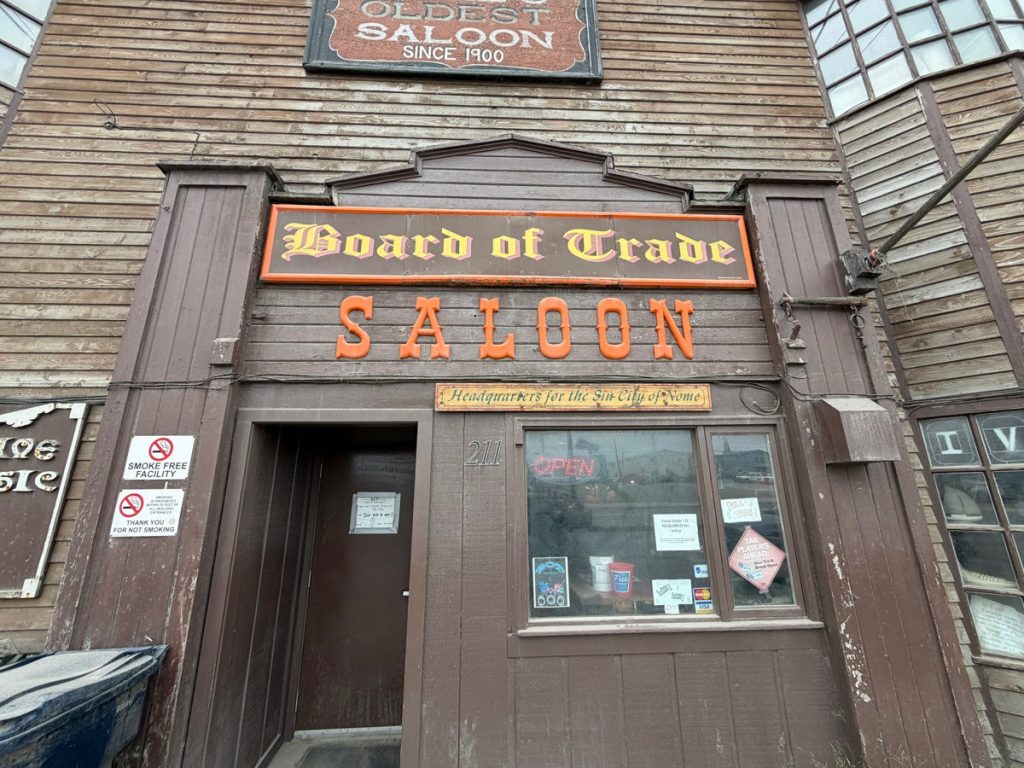
The sign says, “Headquarters for the Sin City of Nome.” A true fact: Wyatt Earp lived in Nome and ran a successful saloon!
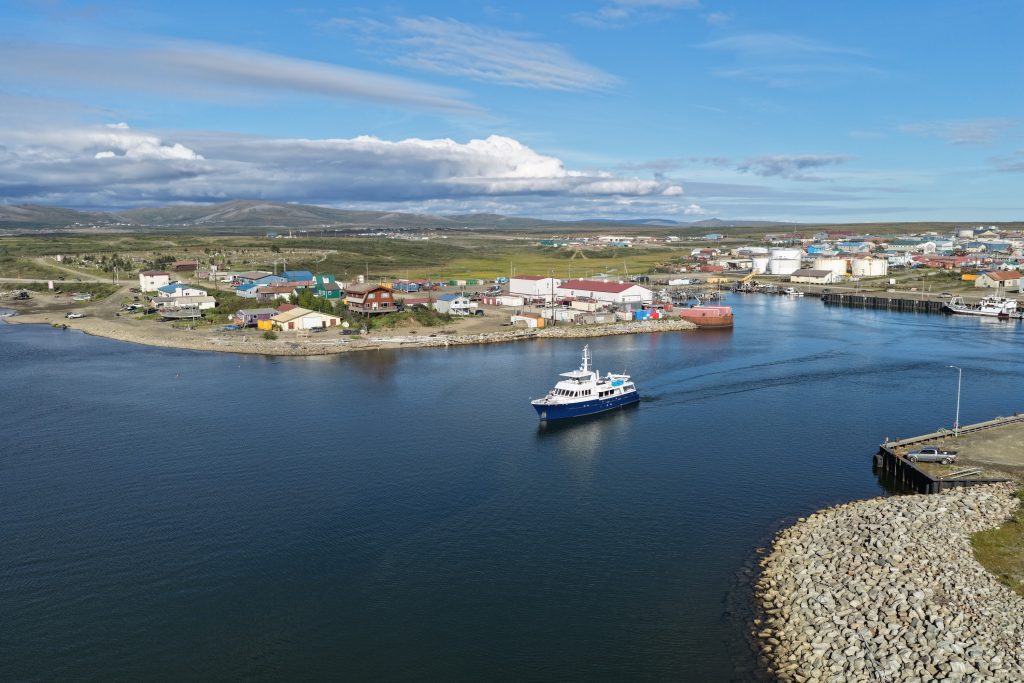
Our journey begins! Let’s go see some ice! (and, hopefully just see it, not touch it)
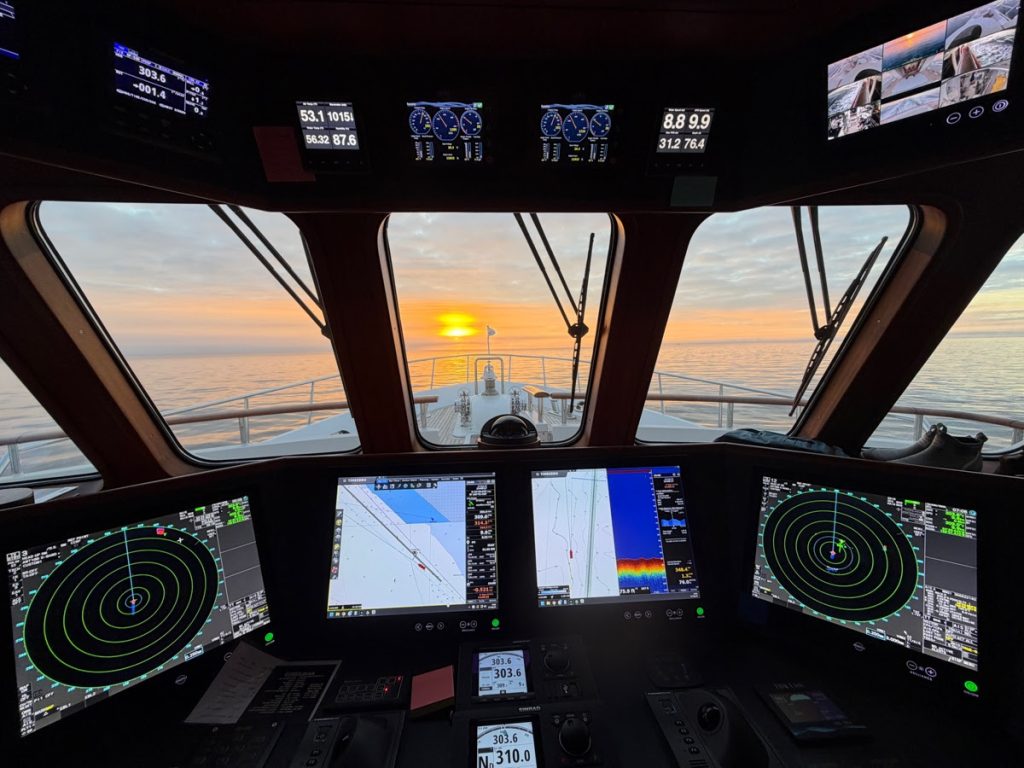
North Star’s command center, at sunset
AND LASTLY
Check out our live feed. My plan is to leave it going nonstop over the next few weeks. There will be times when it is boring, and times when it is VERY exciting.
Check it from time to time. Once we turn the corner at Barrow (Sunday morning) it should start to be very interesting most of the time.
https://www.youtube.com/watch?v=lgHnnB_51nE
If you want to watch the live stream via YouTube on your television, I’m actually not sure how it works. Visit our YouTube channel (search youtube for MV North Star) and look through the videos it shows. You should see one that says “LIVE”.
Also .. we now have a live map which always has our up to date position.
And, if you just want to say “hi” or have a comment or question, we always love hearing from you – Write to me at: ken@mvnorthstar.com
That’s it for this edition of the blog.
Ken and Roberta Williams, with Pixie and Keeley
PS Sometime in the next few days I’ll do another email newsletter, and you won’t want to miss it. Believe it or not, we were within two miles of Russia surrounded by several thousand birds. It’s the kind of adventure that is too strange to believe.
TO SUBSCRIBE ON YOUTUBE
https://youtube.com/@mvnorthstar?sub_confirmation=1
OUR YOUTUBE CHANNEL
https://youtube.com/@mvnorthstar
FOLLOW US ON INSTAGRAM
https://instagram.com/mv_northstar
PAST BLOG ENTRIES
EMAIL NEWSLETTER
If this email was forwarded to you by a friend, and you’d like to be added to this newsletter, click this link:
https://kensblog.eo.page/nh9zj
CHECK OUT OUR LATEST VIDEO GAME: COLOSSAL CAVE 3D!
Roberta and I are video game developers when we aren’t on a boat, having published literally hundreds of games during our long career. Our most recent game is a re-imagining of a fifty-year-old classic game called “Adventure (aka Colossal Cave).”
KEN’S MARINE RADAR TRAINING SIMULATOR!
As many readers of my blog know, I had a long career in videogame development. I combined my tens of thousands of sea miles with my long record of building software to create a Radar Simulator. I believe there is no better way to learn than by experiencing it yourself. Check out my radar training course, which is built around a very realistic simulator. https://navsimacademy.com/

